




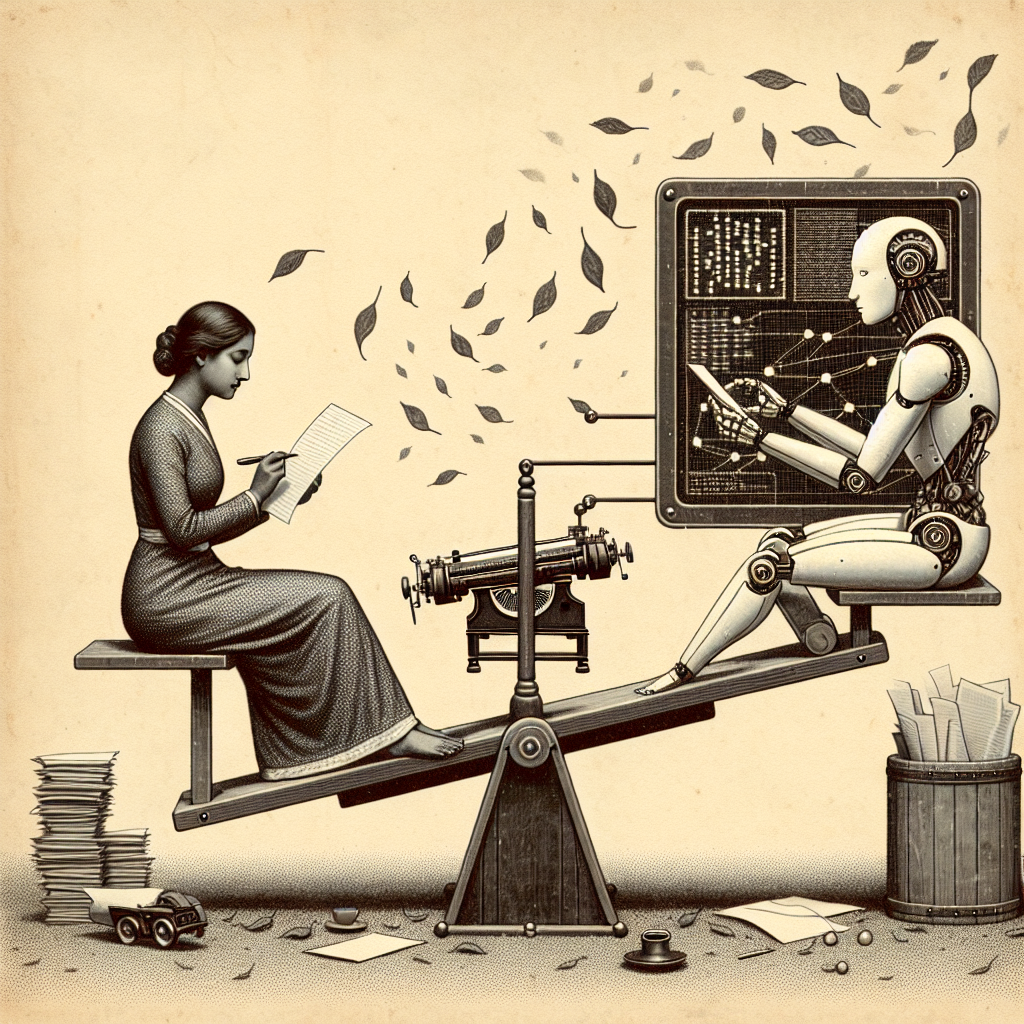
Newsletters have been the backbone of organizational communication for ages, serving as a crucial bridge between companies and their audience. Whether it's sharing internal updates or curating external news, these missives have been the go-to method for keeping everyone in the loop.
Traditionally, creating newsletters has been a hands-on affair. Teams would roll up their sleeves, manually curating content, crafting copy, designing layouts, and managing subscriber lists. It's been like cooking a gourmet meal from scratch - time-consuming but often rewarding.
But as the digital marketing landscape shifts, AI is stepping into the kitchen, so to speak. These AI-driven workflows are like having a sous chef that can handle many tasks autonomously - from picking the right ingredients (content curation) to tailoring the dish to each diner's taste (personalized recommendations).
While this technological leap offers exciting possibilities for efficiency and engagement, it also brings its own set of challenges. As organizations look to refresh their newsletter strategies, understanding the pros and cons of both traditional and AI-driven approaches becomes crucial. It's not just about embracing the new, but finding the right balance that serves your audience best.
Traditional newsletter workflows are a testament to human effort and teamwork. These processes kick off with a thorough content gathering phase, where team members diligently scour various sources to handpick the most relevant and engaging material. Once the content is selected, the baton passes to the writers and editors who craft the copy, ensuring it aligns perfectly with the brand's voice and message. This stage often involves multiple rounds of revisions and approvals to achieve the perfect balance of information and style.
The design phase follows, with teams utilizing email marketing platforms or publishing software to create visually striking layouts. This step requires meticulous attention to detail, from selecting images to tweaking font styles, all while ensuring compatibility across different email clients.
Managing distribution lists adds another layer of complexity to the process. Teams must regularly update subscriber data, handle bounced emails, and segment contacts based on various criteria. The final steps involve careful scheduling and distribution, with quality checks at every stage to maintain the highest standards. While this approach is resource-intensive, it offers unparalleled control over the entire communication process.
Jump to:
Key Challenges of Manual Newsletter Creation
Introducing AI-Driven Newsletter Workflows
Advantages of Incorporating AI in Newsletters
Workflow Comparison: Step-by-Step Analysis
Case Studies: Real-World Applications
Potential Limitations of AI-Driven Newsletters
Choosing the Right Workflow for Your Organization
Creating newsletters manually comes with its fair share of challenges that can impact both productivity and quality. One of the most significant obstacles is the sheer amount of time required for content curation and writing. Team members often find themselves spending hours combing through various sources to find relevant and engaging material. This process not only demands considerable time but also requires a keen eye for maintaining consistency in quality and tone.
The editorial process adds another layer of complexity. As drafts circulate among team members for feedback and approval, multiple revision rounds can lead to delays and potentially outdated content. With different individuals handling various aspects of the newsletter, maintaining consistency in style and messaging becomes a constant challenge.
Technical hurdles arise in the design and layout phase, particularly when ensuring compatibility across different email clients. Distribution list management introduces risks of outdated subscriber information or overlooked segments. These manual processes are prone to human error, making quality control an ongoing concern. Ultimately, this labor-intensive approach can strain resources, limit scalability, and hinder an organization's ability to deliver personalized, timely newsletters consistently.
Introducing AI-Driven Newsletter WorkflowsAI-driven newsletter workflows are revolutionizing the way organizations produce and distribute their content. By harnessing the power of artificial intelligence, these systems bring a new level of efficiency and sophistication to every step of the newsletter creation process. From content curation to copywriting, personalization to list management, AI is transforming traditional approaches.
At the heart of this transformation are advanced algorithms that can sift through an enormous variety of content sources, pinpointing the most relevant and engaging material for your audience. Natural language processing takes the heavy lifting out of copywriting, generating drafts and suggesting headlines that resonate with readers.
But AI's capabilities extend beyond content creation. Machine learning models dive deep into subscriber data, creating finely tuned segments and personalized recommendations. Automated A/B testing ensures your newsletters are constantly improving, while integration with email platforms streamlines the distribution process. Even quality assurance gets an AI boost, with automated checks for spelling, grammar, and formatting across devices. The result? Newsletters that are not only easier to produce at scale but also more personalized and engaging for each reader.
Advantages of Incorporating AI in NewslettersIncorporating AI into newsletter workflows brings a host of practical benefits, enhancing both efficiency and reader engagement. One of the most notable advantages is the significant time savings in content curation and copywriting. AI systems can rapidly scan an extensive array of sources, from articles to social media feeds, identifying relevant content that aligns with the interests of specific subscriber groups. This not only lightens the workload for staff but also introduces a wider range of fresh, pertinent content to newsletters.
The precision of AI is equally impressive. By analyzing subscriber behavior, such as open rates and click patterns, machine learning algorithms can automatically segment audiences for more targeted, personalized messaging. This level of customization extends to tailoring subject lines and article order for individual readers, significantly boosting engagement metrics.
AI also excels in automating A/B testing, continuously refining elements like headlines, designs, and send times based on real-time data. Additionally, AI-powered quality assurance tools ensure error-free, professionally formatted newsletters across all devices. These capabilities enable organizations to scale their newsletter operations efficiently while maintaining high standards of quality and relevance.
Workflow Comparison: Step-by-Step AnalysisWhen we compare traditional and AI-driven newsletter workflows step-by-step, we see significant differences in efficiency, scalability, and quality control. In the traditional approach, content curation is a manual process where team members personally select and craft each piece. This is followed by multiple rounds of editing and approval, often involving various stakeholders. The design phase requires hands-on work to ensure visual consistency and compatibility across different email clients. Managing distribution lists is another manual task, involving updating subscriber data and segmenting lists, often using basic tools like spreadsheets. Each of these steps is labor-intensive and susceptible to human error, necessitating thorough quality checks that can be time-consuming.
In contrast, AI-driven workflows automate many of these processes. Content is aggregated and selected based on predefined criteria and audience preferences. Natural language processing tools assist in drafting and refining copy, with real-time editorial suggestions. Design templates are automatically populated and formatted for various devices. Audience segmentation and subscriber management benefit from machine learning, ensuring more targeted messaging. The entire process, from scheduling to delivery, is automated, with continuous optimization through AI-monitored A/B testing. This approach not only speeds up the workflow but also maintains consistent quality, freeing up human resources for more strategic tasks.
Case Studies: Real-World ApplicationsReal-world applications of AI-driven newsletter workflows have shown impressive results across various sectors. A mid-size e-commerce retailer, for instance, implemented AI-powered content curation for their weekly newsletters. By analyzing past purchase behavior and browsing data, the system personalized product recommendations for each subscriber. The outcome was remarkable: click-through rates increased by 25%, while the time spent on content preparation decreased by 30% compared to their previous manual approach.
In the tech industry, an association adopted natural language generation tools to automate copywriting for monthly updates. This AI-assisted approach suggested text alternatives and headlines based on trending sector topics. The result? They halved their production timeline and achieved more consistent brand messaging.
Even the nonprofit sector has benefited from AI integration. A large advocacy group employed AI-driven subscriber segmentation to enhance campaign targeting. By analyzing engagement history and demographic data, they created more relevant content for each audience segment. This strategy led to an 18% increase in open rates and noticeably improved reader connection with campaign messages. These examples demonstrate how AI can effectively address resource constraints, boost content relevance, and drive measurable engagement in newsletter operations.
Potential Limitations of AI-Driven NewslettersWhile AI-driven newsletters offer numerous benefits, they come with their own set of challenges that organizations need to be aware of. One significant concern is the potential for over-automation, which can lead to content that feels generic or repetitive if AI models aren't regularly fine-tuned. AI systems may struggle to capture the subtle nuances of human creativity, context, and cultural sensitivity, potentially resulting in messages that feel impersonal or out of touch with audience expectations.
Data privacy is another crucial consideration. AI systems heavily rely on subscriber data for personalization and segmentation, raising important questions about compliance with data protection regulations like GDPR or CCPA. The accuracy of this data is paramount, as incorrect inputs can lead to poorly targeted content, potentially eroding engagement and trust.
There's also the risk of factual errors or tone inconsistencies in AI-generated content. Without proper oversight, newsletters might include inaccurate product recommendations, misinformation, or off-brand language that could damage credibility. Additionally, AI platforms may limit customization options for templates, design, or voice, potentially constraining creative expression. The costs associated with implementing advanced AI tools and training staff can also be substantial, especially for smaller organizations. These factors underscore the importance of maintaining a careful balance between human oversight and automation to achieve optimal results in newsletter campaigns.
Choosing the Right Workflow for Your OrganizationChoosing the right newsletter workflow is a crucial decision that depends on your organization's specific needs, resources, and communication goals. Traditional workflows shine in situations where direct human oversight is essential. They allow for precise brand alignment, highly customized messaging, and complete creative control. This approach is particularly effective for organizations with smaller, niche audiences or those that require nuanced communication. It's also a good fit when data privacy is a top priority, as it minimizes exposure to third-party systems.
On the other hand, AI-driven workflows are ideal for scenarios where speed, scalability, and data-driven personalization are key. These systems excel in handling high-volume newsletters, offering automated content curation, advanced subscriber segmentation, and real-time analytics. However, implementing AI requires consideration of your team's technical skills, data quality, and integration with existing systems.
Many organizations find success with a hybrid approach, leveraging AI for repetitive tasks while maintaining human oversight for strategy and creative elements. Whichever path you choose, it's important to regularly evaluate performance metrics to ensure your workflow aligns with your objectives. Remember, the best solution will balance your current needs with the potential for future growth and evolving communication strategies.
When it comes to newsletter workflows, it's not a one-size-fits-all situation. Think of it like choosing between a handcrafted artisanal meal and a high-tech food assembly line - each has its place depending on your needs.
Traditional, manual processes shine when you need that personal touch. They offer unparalleled creative control and brand consistency, perfect for organizations that prioritize tailored messaging or have strict privacy requirements. It's like having a master chef in your kitchen, ensuring every dish is just right.
On the flip side, AI-driven workflows are the powerhouses of efficiency. They excel at quick content creation, wide-scale distribution, and data-driven personalization. If you're aiming to reach a vast audience and want to adapt swiftly to engagement trends, AI might be your best bet.
Ultimately, finding the sweet spot depends on your team's tech savvy, what your audience expects, and your long-term goals. Whether you lean towards human expertise, AI automation, or a mix of both, remember to keep an eye on those engagement metrics. Stay flexible, and you'll keep your newsletters fresh, impactful, and in sync with your overall strategy.